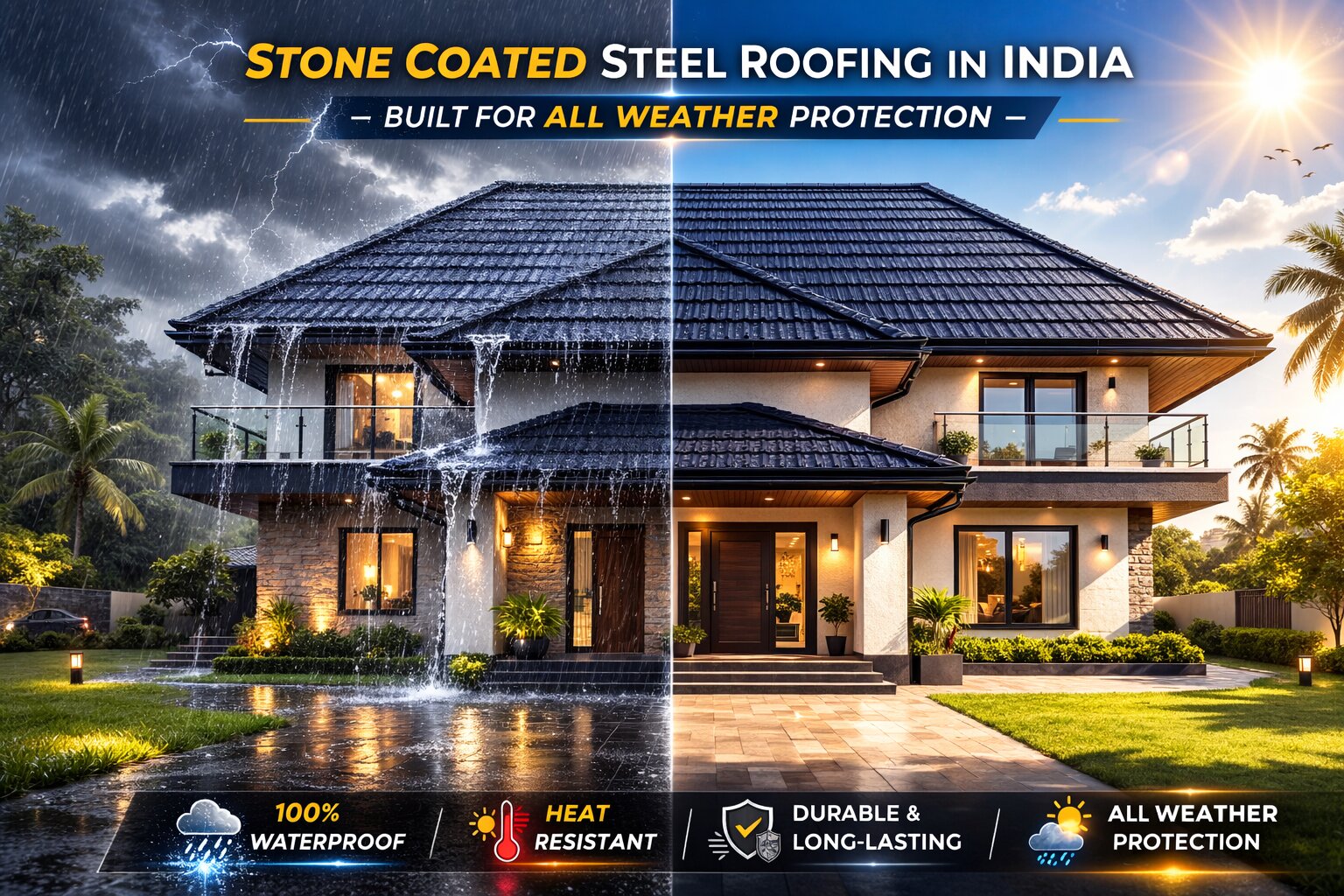
Stone Coated Steel Roofing in India – A Complete Practical Guide
One of the most vital elements of any building is the roof. It protects the structure from sunlight, rain, wind, and long-term weather damage. In a country like India, where temperatures can rise sharply in summer and rainfall can be heavy during the monsoon, selecting the right roofing material is a critical decision.
In recent years, stone-coated steel roofing in India has gained popularity as a modern and reliable alternative to traditional roofing materials such as clay tiles, concrete sheets, and ordinary metal roofing. This roofing system combines the strength of steel with the protective and visual advantages of natural stone granules.
This guide explains stone-coated steel roofing in simple and practical terms—how it is made, how it works, its benefits and limitations, its performance in Indian climate conditions, expected lifespan, and whether it is suitable for your project.
What Is Stone Coated Steel Roofing?
Stone-coated steel roofing is a roofing system made using galvanized steel sheets that are treated with protective coatings and finished with natural stone granules bonded to the surface.
The steel core gives the roof its structural strength, while the stone coating improves durability, reduces rain noise, and enhances resistance to heat and weather. Unlike plain metal roofing sheets, stone-coated steel roofing is designed to look similar to traditional roofing styles such as tiles or shingles.
Because of this balance between strength and appearance, it is commonly used for residential houses, villas, resorts, and premium commercial buildings.
How Stone Coated Steel Roofing Works?
Stone-coated steel roofing works through smart engineering rather than being heavyweight.
- The steel base absorbs structural loads and resists impact.
- The stone coating reduces rain noise and protects the surface from UV rays.
- Interlocking panels distribute wind pressure evenly and reduce uplift during storms.
- One of the most vital elements of any building is the roof.
Without the bulky weight of clay or concrete tiles, this design keeps the roof safe.
Key Benefits of Stone Coated Steel Roofing
Lightweight but Strong
Stone-coated steel roofing is much lighter than traditional tiles. This reduces stress on the building structure and makes it suitable for renovation and re-roofing projects.
Weather Resistance
The multi-layer construction helps the roof withstand heavy rain, strong winds, and prolonged sun exposure without cracking or warping.
Noise Reduction
The stone granule layer absorbs sound, making the roof quieter than plain metal sheets during rainfall.
Aesthetic Flexibility
Available in different profiles and finishes, stone-coated steel roofing works well with both modern and traditional architectural designs.
Low Maintenance
When installed correctly, the roofing requires only basic inspection and occasional cleaning, unlike tiles that may crack or shift over time.
Limitations to Consider
While stone-coated steel roofing offers many advantages, it is important to understand its limitations:
- Higher initial cost compared to basic metal roofing sheets
- Requires skilled installation for best performance
- Not suitable for temporary or very low-budget structures
Knowing these points helps set realistic expectations before choosing this roofing system.
Performance in Indian Climate Conditions
India’s climate places high demands on roofing materials, and stone-coated steel roofing is often chosen because it adapts well across regions.
Heat Resistance
The stone-coated surface helps reduce direct heat absorption when compared to bare metal roofing.
Monsoon Performance
Interlocking panels and proper sealing help manage heavy rainfall and reduce the risk of leakage during monsoons.
Humidity & Coastal Areas
Protective coatings slow down corrosion caused by moisture and salt in the air, making the roofing suitable for humid and coastal environments.
Wind Resistance
Secure fixing systems help the roof remain stable during high winds and storms.
Applications of Stone Coated Steel Roofing
Stone-coated steel roofing is commonly used in:
- Residential houses and villas
- Farmhouses and holiday homes
- Gazebos, pergolas, and outdoor seating areas
- Resorts and hospitality projects
- Renovation projects where lightweight roofing is preferred
Lifespan and Durability
When installed properly and maintained well, stone-coated steel roofing can last for many years. Its lifespan depends on several factors:
- Quality of steel and protective coatings
- Installation standards
- Environmental conditions
- Regular maintenance practices
Periodic inspections help maintain performance and prevent long-term issues.
Installation Overview
Installation usually follows these steps:
- Preparation of the roof structure
- Placement of underlayment
- Installation of roofing panels using interlocking or screwing systems
- Securing panels with fasteners
- Sealing joints and edges
Correct installation is essential to ensure durability, weather resistance, and long service life.
Buying Guide: What to Check Before Choosing
Before selecting stone-coated steel roofing, it is important to check:
- Steel thickness and coating quality
- Strength of stone granule bonding
- Panel profile suitable for your roof slope
- Experience and reliability of the installer
Avoid choosing roofing materials based only on appearance or price.
Common Mistakes to Avoid
- Hiring installers without proper experience
- Ignoring ventilation requirements
- Using incompatible roofing accessories
- Skipping routine inspections
Avoiding these mistakes improves long-term performance and satisfaction.
Frequently Asked Questions
Is stone-coated steel roofing suitable for homes?
Yes, it is widely used for residential homes due to its durability and appearance.
Does it make noise during rain?
No, the stone coating helps reduce rain noise compared to plain metal roofing.
Can it be installed on existing roofs?
In many cases, yes, but a structural assessment is recommended.
Is it suitable for high-rainfall areas?
With proper installation, it performs well even in heavy rainfall regions.
Conclusion
Stone-coated steel roofing is a well-engineered roofing solution that combines strength, durability, and visual appeal. By using a steel core with protective stone coatings, it delivers reliable performance across different Indian climate conditions.
While it may not be suitable for every project, it is an excellent option for homeowners, builders, and architects who are looking for a long-lasting, low-maintenance roofing system with a clean and premium appearance. As a pillar page, this guide provides a strong foundation for understanding stone-coated steel roofing and helps you make informed roofing decisions with confidence.
Follow on social media:
Recently Posted

Top Color Palettes For A Comfortable And Warm Living Room
2024-06-11
Creating a comfortable and warm living room is all about choosing the right color palette.
Wholesale WPC Wall Panels: The Future of Stylish & Durable Wall Design
2025-07-29
WPC Wall Panel

10 Must Have Interior Products for Your Home and Office
2025-09-22
Interior product panels
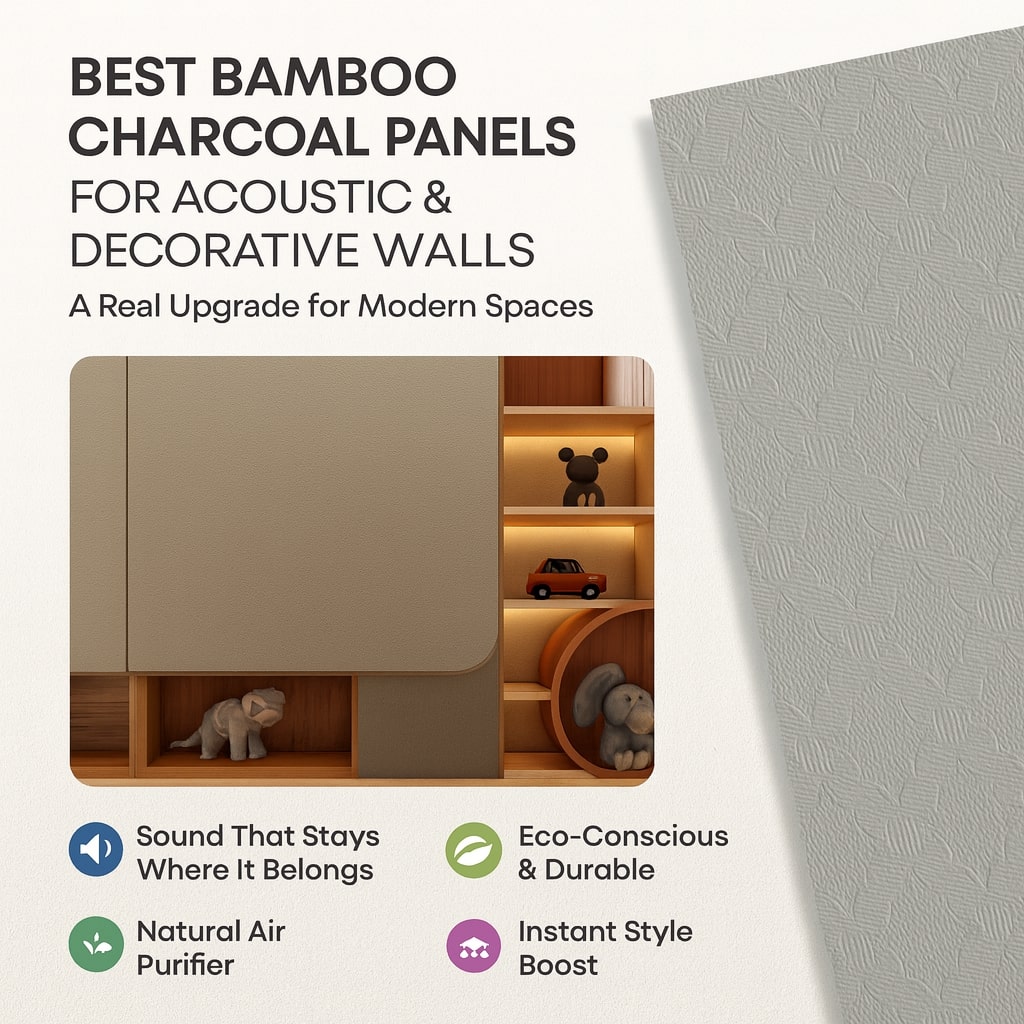
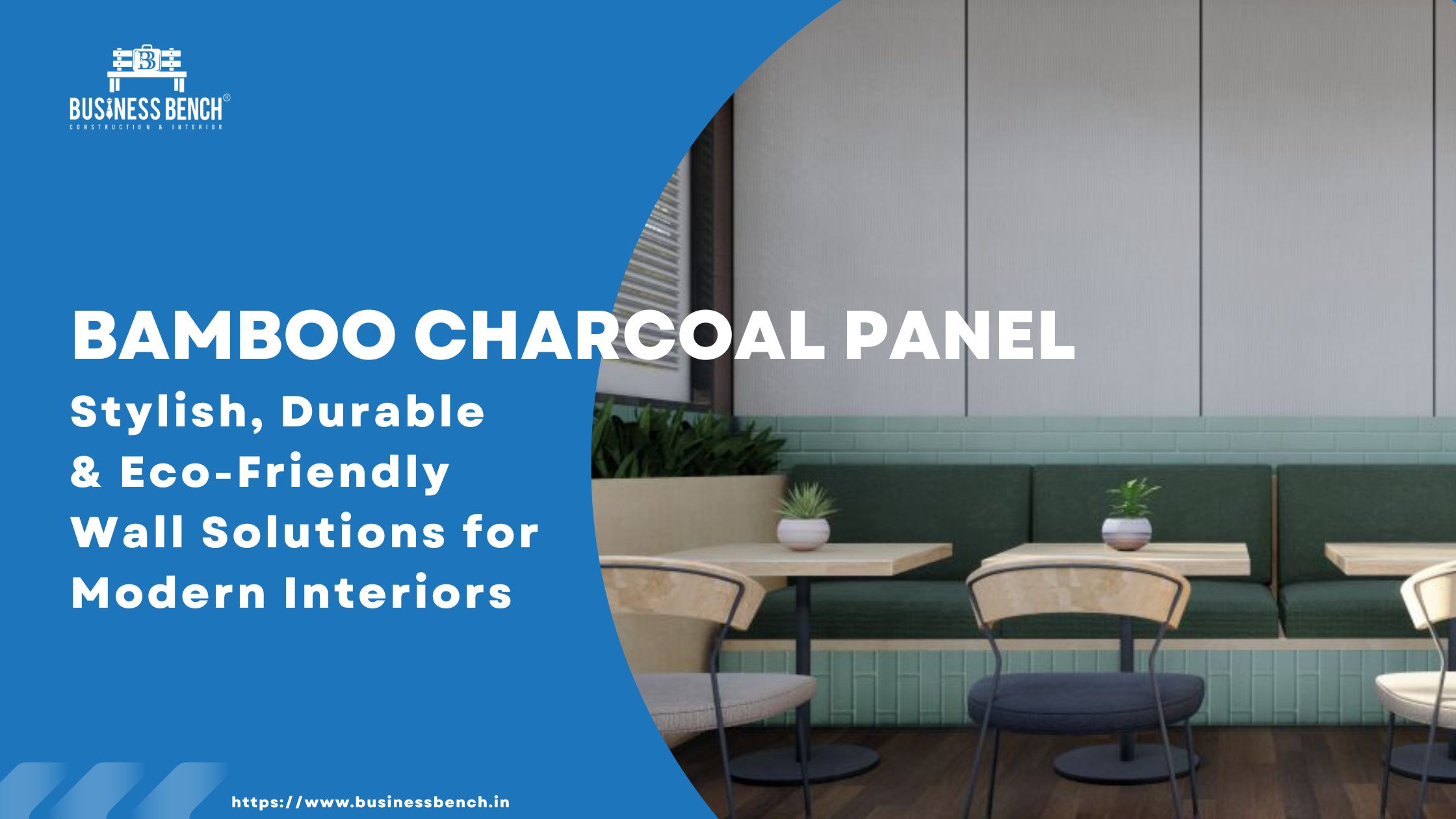
Best Bamboo Charcoal Panels for Acoustic & Decorative Walls
2025-11-28
Bamboo Charcoal panel
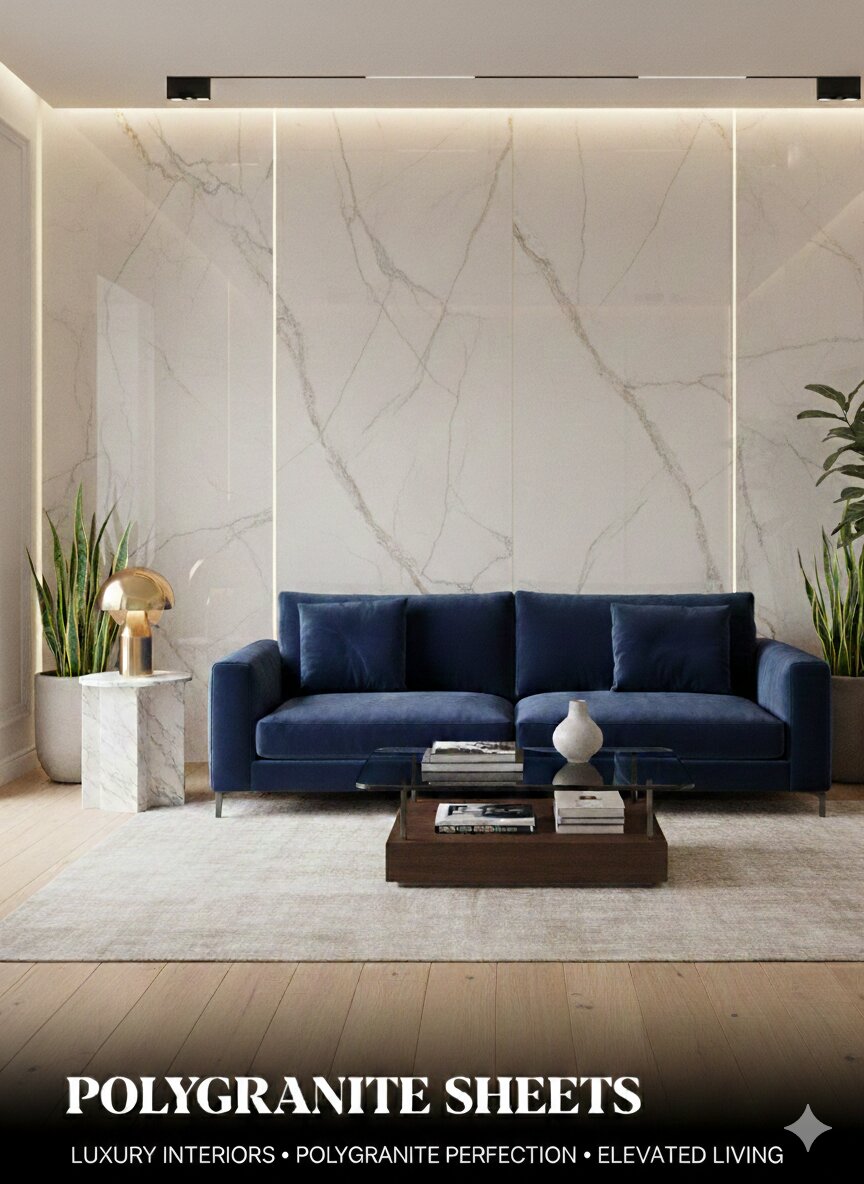
The Ultimate Guide to Polygranite Sheets (2026 Resource Page)
2026-02-24
Polygranite sheets offer the elegant look of natural granite with lightweight structure, easy installation, and cost-effective pricing. They are ideal for modern residential and commercial wall cladding applications.
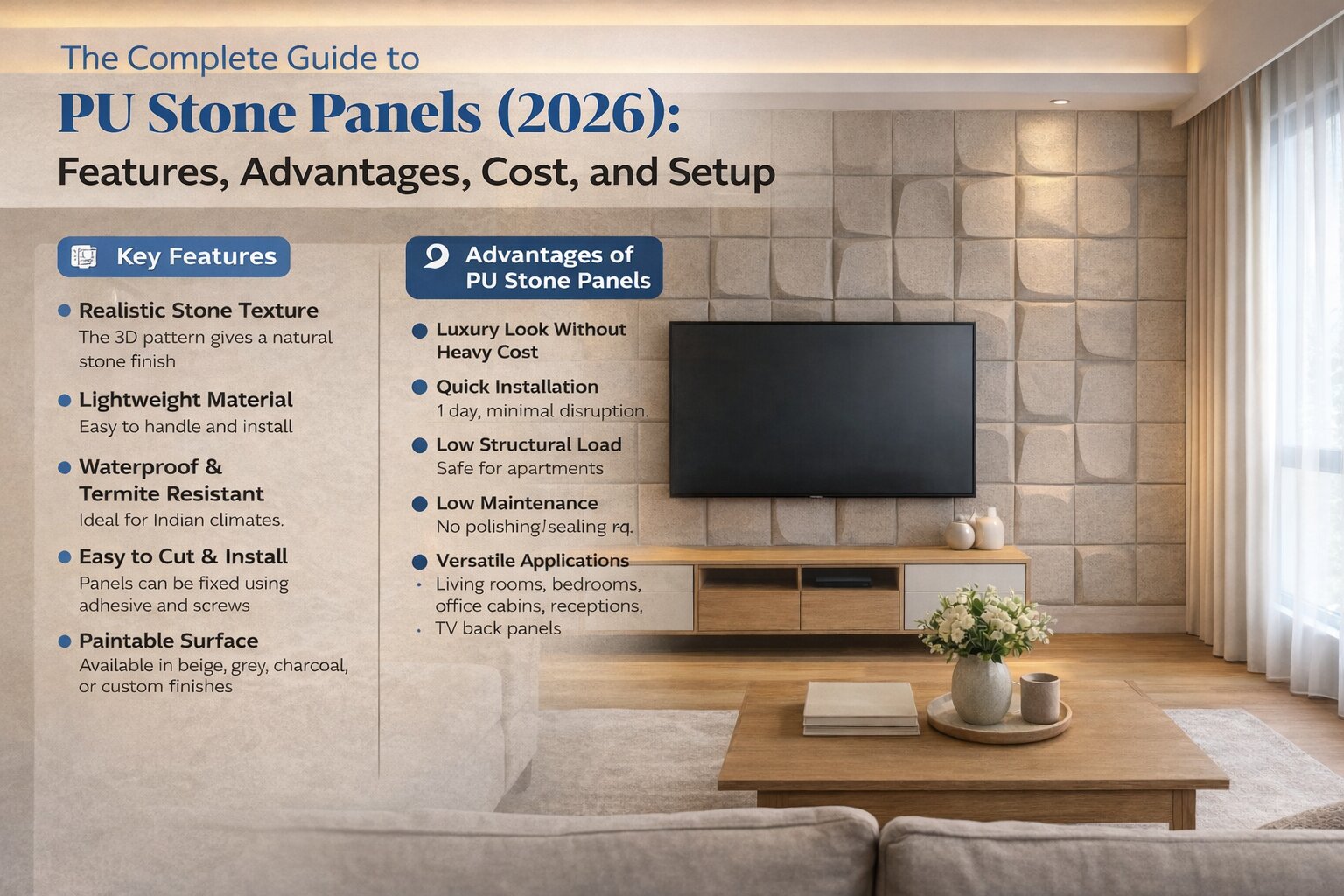
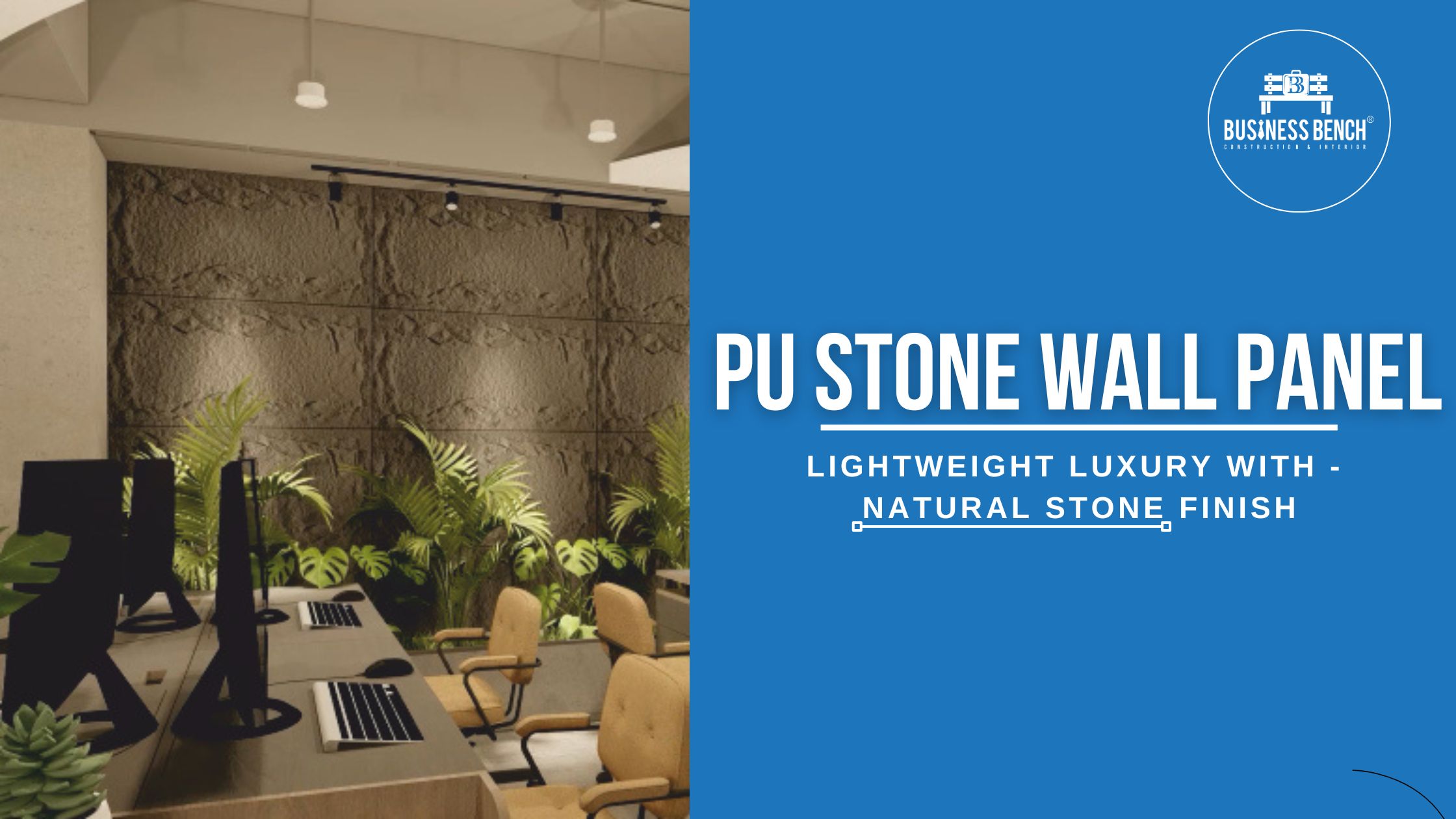
Lightweight PU Stone Panels in India: Price, Uses & Installation Guide
2026-02-25
PU Stone Panels in 2026: Complete Guide on Price, Features, Benefits & Installation for Homes & Commercial Spaces
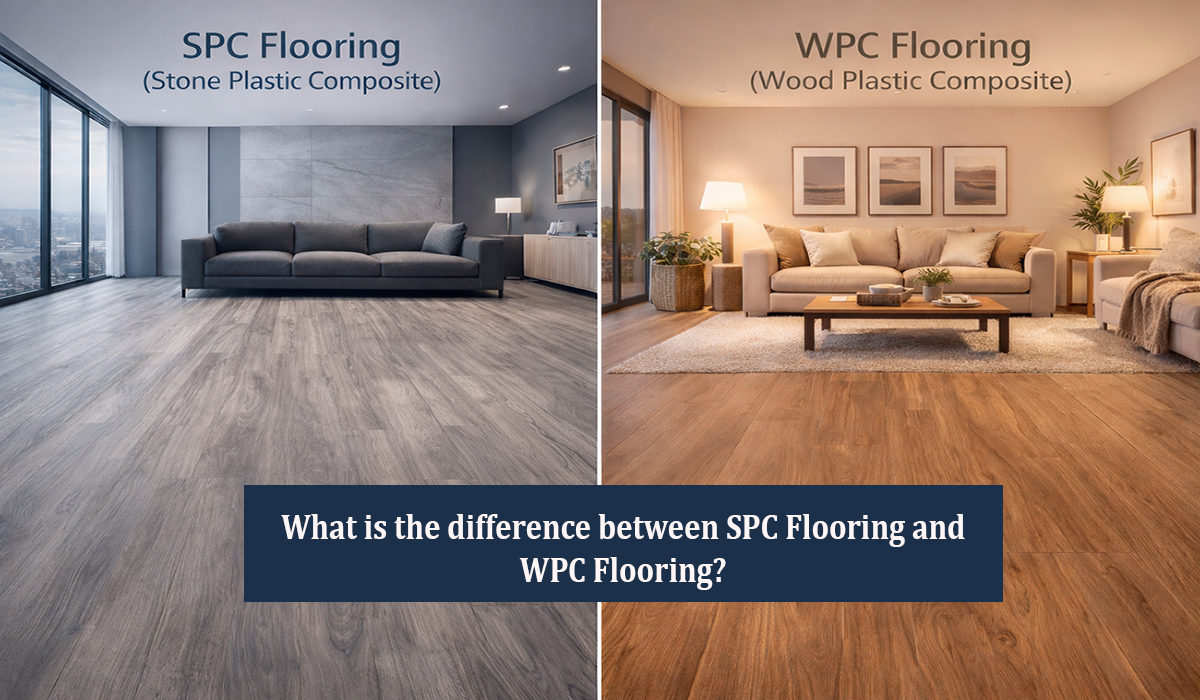
SPC vs WPC Flooring – Difference, Cost & Best Choice for Homes (2026)
2026-02-28
SPC flooring offers exceptional dent resistance and dimensional stability, making it ideal for high-traffic residential and commercial spaces.

Where to Buy Premium Interior Products for Office Spaces?
2026-03-30
Choosing the right supplier for office interiors is important because materials like wall panels, flooring, and ceilings directly impact durability, look, and overall workspace quality.

Sustainable Materials for Eco Friendly Interior Design
2024-06-12
In the quest for a greener future, sustainable interior design has become a significant trend.
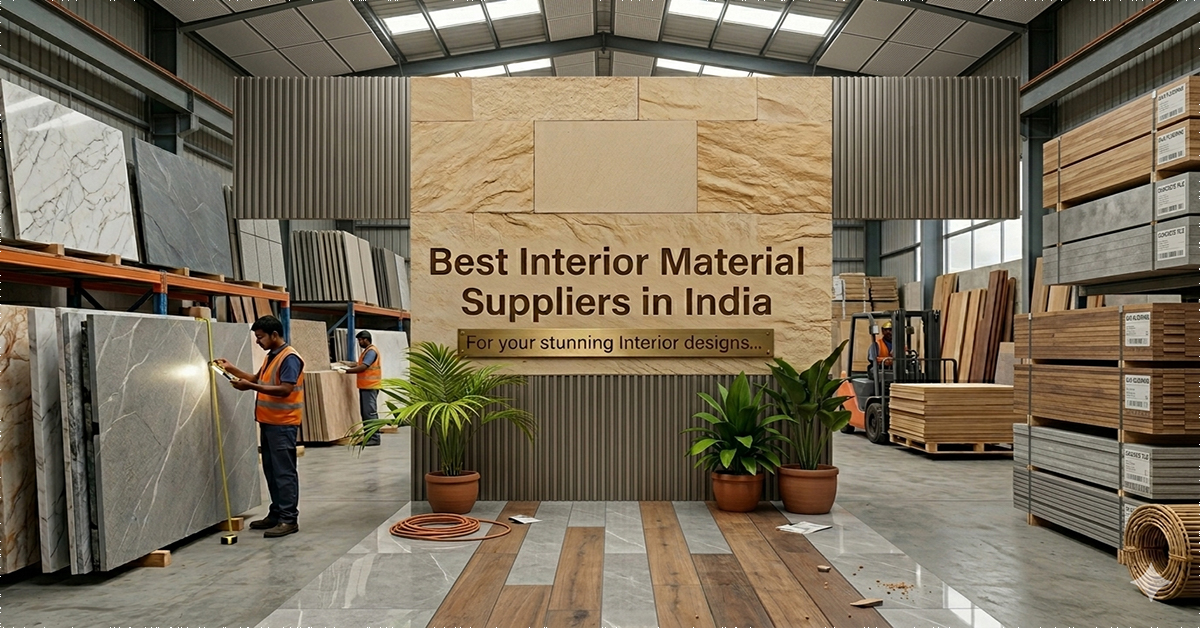
Best Interior Material Suppliers in India: Complete Guide for Modern Interiors
2026-03-31
Looking for reliable interior material suppliers in India? Get premium wall panels, flooring, and decorative products with wide design options and supply support.

What Are the Key Principles of Minimalist Interior Design
2024-06-20
In recent years, drawing admirers with its clean lines, serene spaces, and emphasis on simplicity.
Give Your Home a Modern Makeover with Wallpaper
2024-11-21
The leading wallpaper manufacturer in India

Tips for Choosing the Perfect Wallpaper
2024-11-21
There are bulleted points to choose the perfect one to transfrom your space.
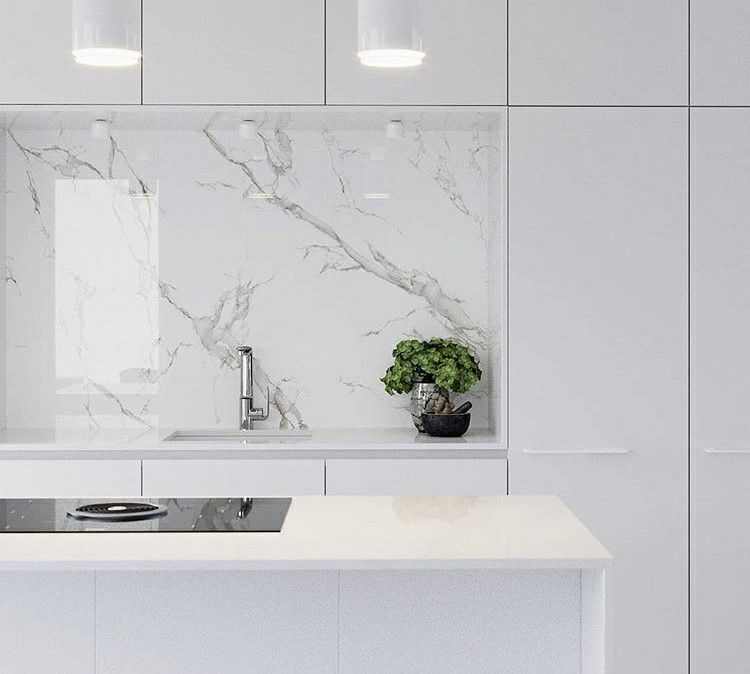
Unleash the Potential of Polygranite: India's Best Kitchen Surface Option from an Interior Design Firm
2024-11-27
Upgrade your home with Polygranite sheets – stylish, durable, and budget-friendly.

Why Choose Business Bench for Your Interior Needs?
2024-12-21
The best interior design company Karur

Designing Your Dream Villa in Tamil Nadu: Luxury Wall Design Tips and Trends
2024-12-21
Best interior design company TamilNadu

Frequently Asked Question For Interior Products
2025-04-23
Interior Products
Contact Us
Any question or remarks? Just write us a message!
Contact Information
Say something to start a live chat!
5/302, Kovai Main Rd, Ashok Nagar, Thirugampuliur, Andankoil East, Karur, Tamil Nadu 639002

Quick Links
Legal
Contact